Destinations
Destinations 1 - 12 of 13


New York City is a city that pulses with movement, sound, and stories at every corner. Whether it's the echo of footsteps under Grand Central Terminal’s iconic ceiling or the quiet shuffle of chess pieces in Washington Square Park, every detail is part of a larger rhythm. New York’s cultural offerings are unmatched in scope. A single day could include a visit to the Museum of Modern Art, a Broadway matinee, and live jazz at an underground club in the Village.
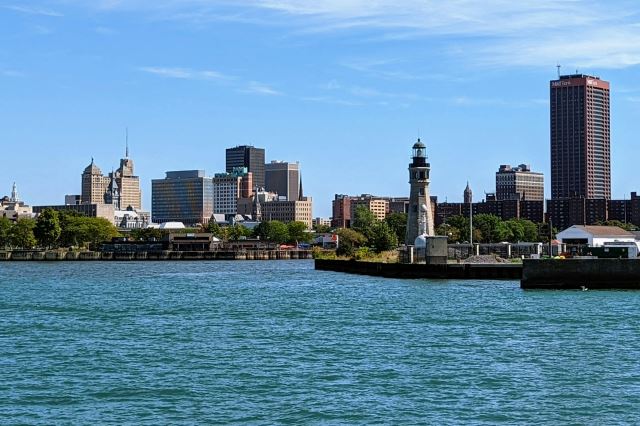
Buffalo, the second-largest city in New York State, sits at the eastern end of Lake Erie where the Niagara River begins its journey toward Niagara Falls. Once a powerhouse of American industry and trade, Buffalo thrived in the 19th and early 20th centuries as a major shipping and manufacturing hub, thanks to its strategic location along the Erie Canal and Great Lakes.
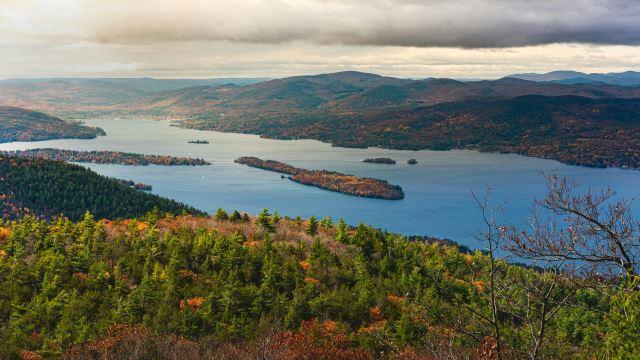
Saratoga Springs, New York, has long drawn visitors with its bubbling mineral springs, historic charm, and a calendar full of events that give the town a lively edge. Known as “The Spa City,” Saratoga first gained fame in the 19th century for its naturally carbonated waters, believed to have healing properties. Downtown Saratoga Springs is known for its walkable streets, filled with locally owned boutiques, cafés, and bookstores.
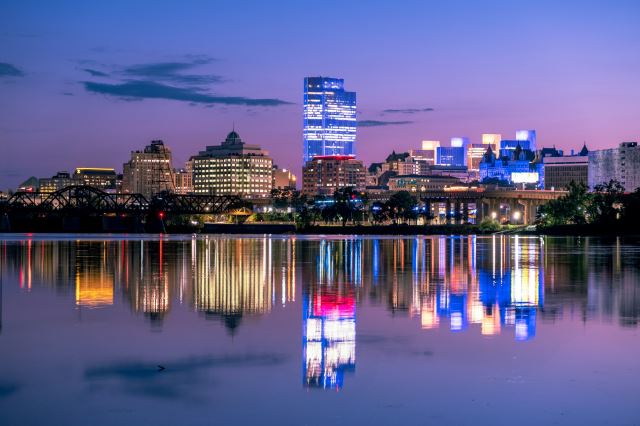
Albany is the capital of the state of New York. Albany is noted for the Empire State Plaza, which houses government buildings and the New York State Museum.
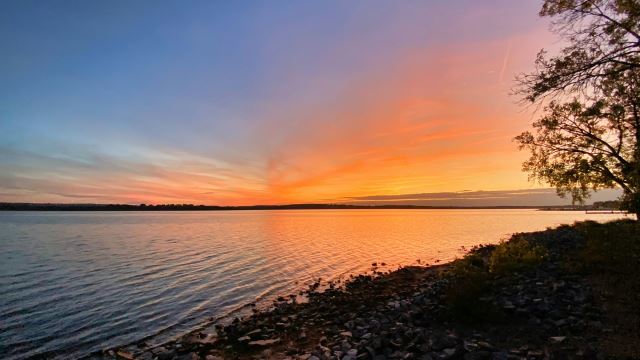
Liverpool, New York, offers a charming retreat with its blend of historical appeal and picturesque landscapes. Nestled along the eastern shore of Onondaga Lake, this village boasts a rich history dating back to the early 19th century. A highlight of Liverpool's heritage is the Onondaga Lake Park, which provides scenic walking trails, picnic areas, and views of the lake
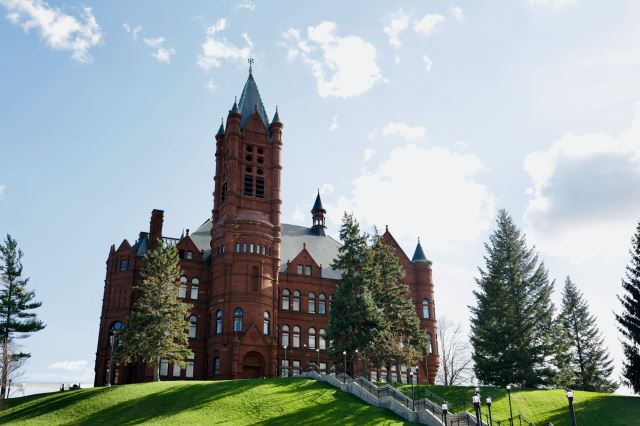
Syracuse is a Central New York city positioned between the Finger Lakes and the Adirondack region, with a landscape shaped by waterways, glacial lakes, and rolling countryside. Known historically as the “Salt City,” Syracuse grew around salt production near Onondaga Lake and later became an important transportation and industrial center. Today, downtown neighborhoods such as Armory Square, Hanover Square, and Franklin Square combine historic buildings with restaurants, galleries, shops, and ente
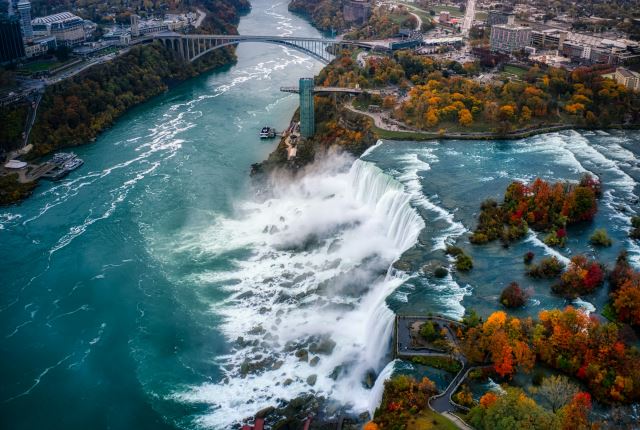
Niagara Falls, New York, is home to one of the most powerful natural spectacles in North America. More than 3,000 tons of water pour over the edge every second, creating a thunderous roar and a rising mist that can be felt from blocks away. Visitors can stand just feet from the American Falls at Prospect Point or take the iconic Maid of the Mist boat tour, which has operated since 1846 and now features all-electric vessels.
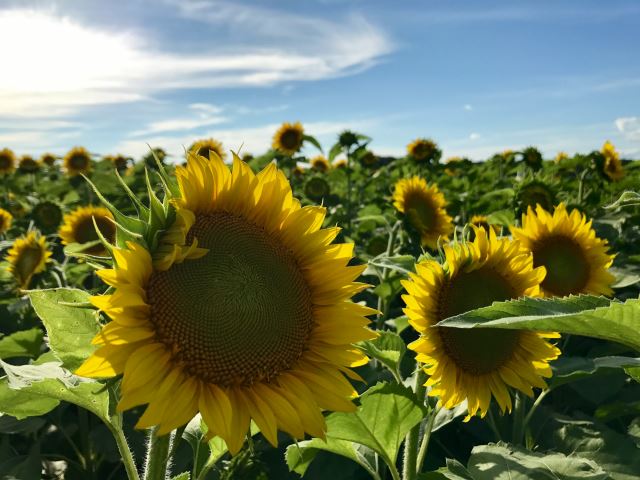
Hudson Valley is a broad region of southeastern New York State centered on the Hudson River and extending from the New York City area north toward the Capital Region. The river forms the region’s main geographical feature, flowing between the Catskill Mountains to the west and the Taconic Mountains to the east. Towns and cities including Beacon, Newburgh, Kingston, Hudson, Poughkeepsie, and Rhinebeck occupy the river corridor, while farmland, forests, and smaller communities spread into the surr
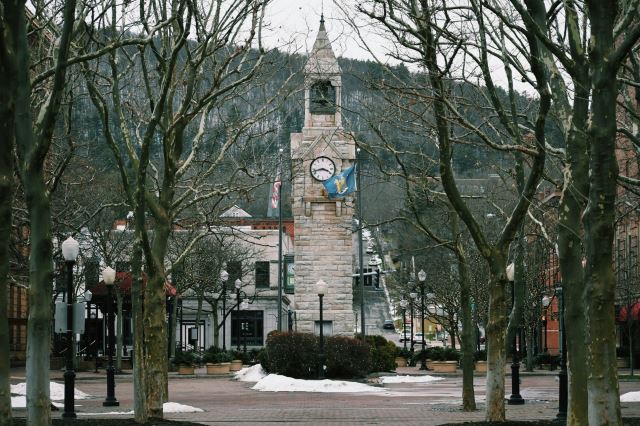
Corning is a small city in New York’s southern Finger Lakes region, set along the Chemung River and known internationally for its connection to glassmaking. The city combines a compact downtown with historic buildings, museums, galleries, and access to the surrounding hills and waterways. Market Street forms the center of the Gaffer District, where shops, restaurants, cafés, and local businesses occupy restored storefronts.
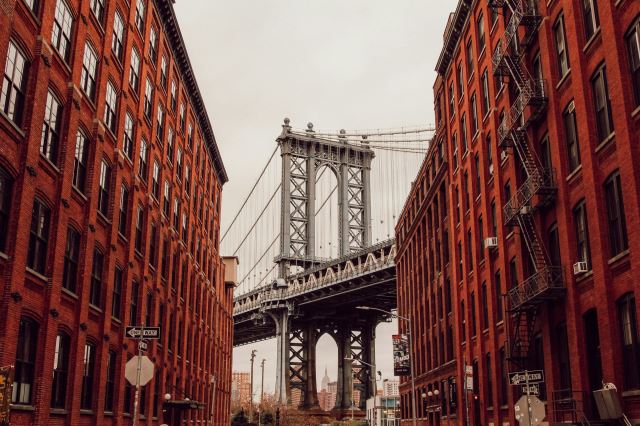
Brooklyn is New York City’s largest borough by population and occupies the western end of Long Island, with a long waterfront facing Manhattan, New York Harbor, and the East River. Its neighborhoods range from the historic streets of Brooklyn Heights and Cobble Hill to the row houses of Park Slope, the industrial waterfront of Red Hook, and the busy commercial districts of Flatbush and Sunset Park. Brooklyn is also known for its parks, beaches, cultural institutions, and independent businesses.
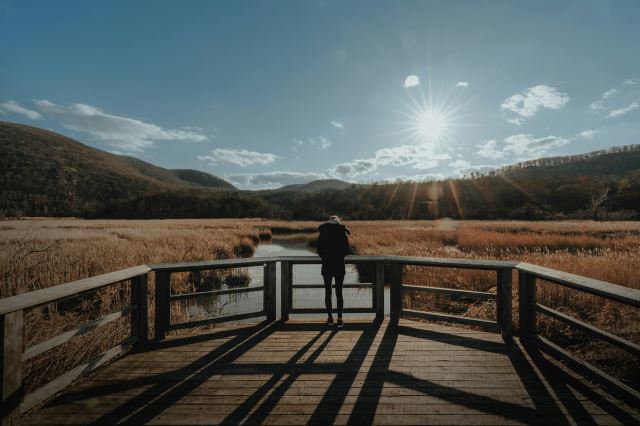
Bear Mountain State Park occupies a rugged section of the Hudson Highlands on the western bank of the Hudson River, about 45 miles north of New York City. The park covers roughly 5,000 acres of forests, mountain slopes, lakes, and riverfront, making it one of the best-known public recreation areas in the Hudson Valley. Its landscape supports hiking, biking, fishing, boating, swimming, picnicking, and winter activities.
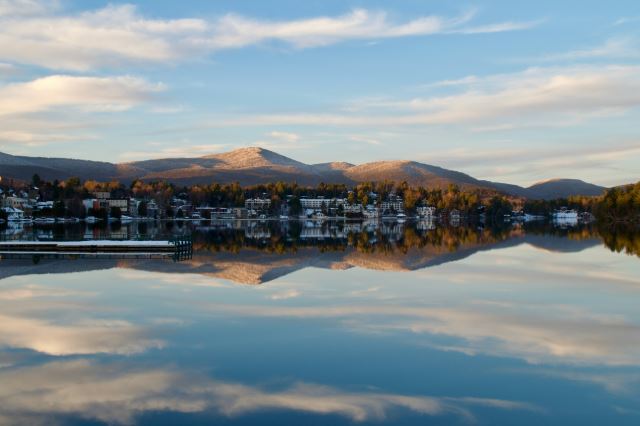
Lake Placid is a village in the Adirondack Mountains of northern New York, set beside Mirror Lake and close to the larger Lake Placid. Surrounded by forested mountains, the community has a compact centre with shops, restaurants, galleries, and lodging along Main Street. The area is part of the Adirondack Park, a vast protected landscape of forests, lakes, rivers, and mountains.
Destinations 1 - 12 of 13